Referral Form Template
Turn your happiest customers and employees into your best growth channel, with a referral process that's effortless to use.



Referrals are the highest-converting lead source most businesses have, and the most neglected. Not because people don't want to refer. They do. The problem is that referring someone usually means writing a custom email, remembering details, or navigating a clunky portal. If the process isn't dead simple, even your biggest advocates won't bother.
This referral form template removes every friction point. Referrers enter their own information, the referred person's details, a brief note about why they're referring, and that's it. Conditional logic can tailor follow-ups based on referral type (customer referral vs. employee referral vs. partnership introduction). Submissions push directly to your CRM, sales team's Slack channel, or Google Sheets via Zapier, so no referral sits unactioned.
Customize the fields, add your branding and any incentive program details, and share the link with your advocates. By email, in your product, or on a dedicated referral page. The easier you make it, the more referrals you'll get.
A referral form is a structured submission tool that allows customers, employees, partners, or other advocates to recommend someone to your business or organization. It captures the referrer's information, the referred person's details, and any context about the referral. Creating a documented, trackable lead source.
Without a dedicated form, referrals arrive through scattered channels. Emails, texts, verbal mentions, and many get lost before they're acted on. A form centralizes every referral, ensures you have the details needed to follow up effectively, and lets you track referral volume and outcomes. It also makes the act of referring easy enough that people actually do it.
Keep it quick. The referrer is doing you a favor:
- Referrer's name and contact information
- Referred person's name and contact details
- Relationship to the referred person
- Why they think this person is a good fit
- Best way and time to reach the referred person
- Whether they'd like to be kept informed about the outcome
Quickly and thoughtfully. Reach out to the referred person within 24-48 hours, mention who referred them (with permission), and personalize the outreach based on the context provided. Also follow up with the referrer — thank them, keep them updated on progress (without sharing confidential details), and deliver on any referral incentives promptly.
Incentives increase volume, but they don't always increase quality. Consider a tiered approach. A small thank-you for every referral (gift card, credit) and a larger reward for referrals that convert. Make the incentive structure clear upfront so referrers know what to expect. And don't underestimate the power of a genuine, personal thank-you — recognition goes a long way.
Get inspired by relevant templates and categories
3200+ Templates, 300+ Integrations
Bank Reference Form
A reference request faxed to a bank branch and left sitting in a queue for weeks isn't the kind of turnaround a landlord or business can wait on. Collect the applicant's signed authorization and the specific details you need confirmed before the request even reaches the bank, so a decision isn't stuck behind a letter that hasn't come back yet.
View template
Work From Home Request Form
A Slack message asking to work from home on Thursday isn't a request anyone can track, especially once the same employee has asked five different ways over a month. Collect the request type, dates or schedule, and manager approval in one place, so HR isn't reconstructing who's working where from a scattered inbox.
View template
Return of Property Form
A property checklist stapled to an exit interview packet isn't a record anyone can rely on when a laptop turns up missing three weeks later. Collect itemized equipment details, condition at return, and a signed acknowledgment before an employee's last day, so IT isn't chasing down a laptop that already walked out the door.
View template
Bar Inventory Form
A bottle count eyeballed at the end of a shift and scrawled on a paper sheet doesn't hold up against a pour cost report that says something doesn't add up. Collect what your bar actually needs, item, count, and variance, on a schedule you can actually compare week to week.
View template
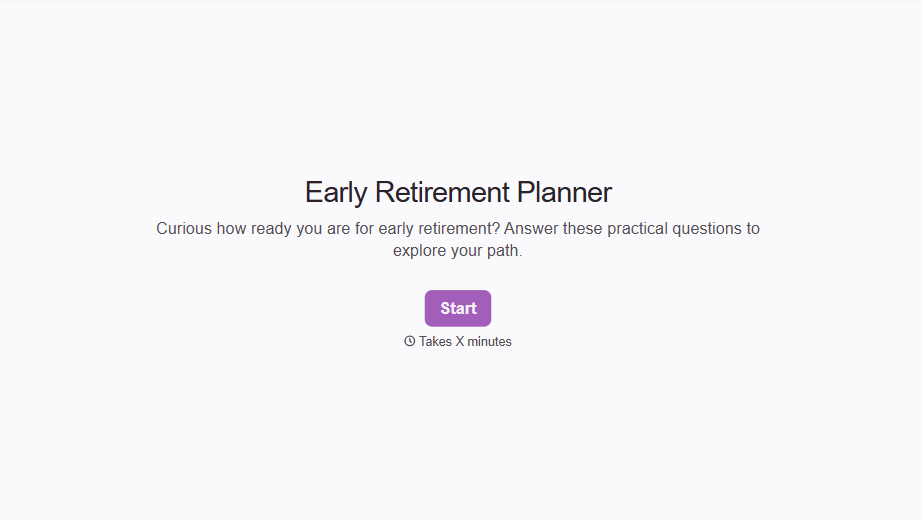
Early Retirement Form
A retirement mentioned to a manager in conversation doesn't give HR anything to actually process, and if there's an incentive deadline attached, the date that conversation happened can matter more than anyone realized at the time. Collect what your HR team actually needs, employee information, requested date, and benefit elections, before a window closes.
View template
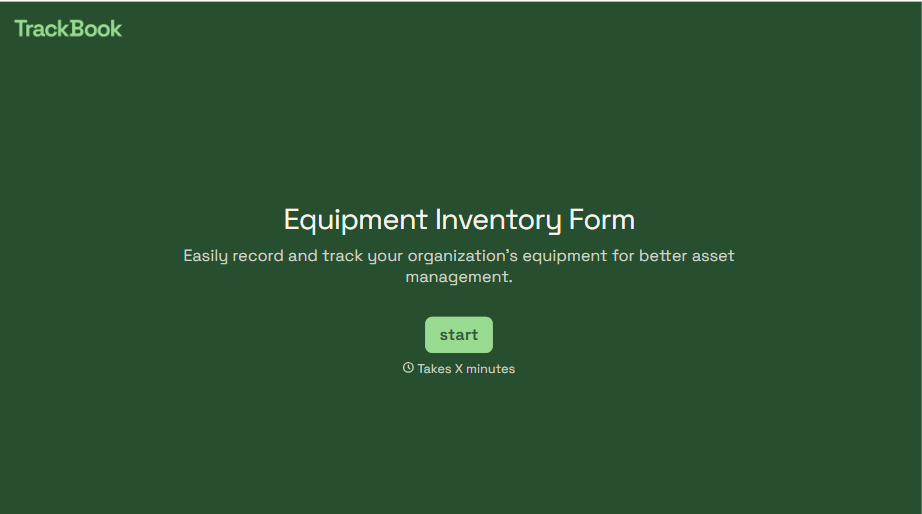
Equipment Inventory Form
Equipment that leaves a storage room in someone's arms, with no note about where it went, doesn't show up again until someone needs it and can't find it. Collect what your team actually needs, item details, condition, and who's got it, every time something moves.
View template
With Typeform, you can customize everything
Change text, colors, and even logos to match the look and feel of your brand. Then embed forms smoothly onto web and email.
Make forms feel effortless to fill out. Pace questions, call people by their name, and adapt the flow based on the data they share.
Stay efficient by connecting forms to your workflow. Typeform integrates with 300+ tools including Slack, Zapier, and HubSpot.