Exit Interview Survey Template
Learn why people really leave, so you can fix what's broken before it costs you your best people.



Every departure is a data point, but most companies waste it. Traditional exit interviews happen face-to-face with HR, and departing employees — not wanting to burn bridges — give sanitized, surface-level answers. "I found a great opportunity" is the polite version of something more specific, and that specificity is exactly what you need to hear.
This exit interview survey template creates a more honest feedback environment. The one-question-at-a-time format feels less interrogative than a formal meeting, and the option for anonymity encourages candor. Conditional logic tailors the form to each respondent, branching based on tenure length, department, and reason for leaving, capturing all the details that matter without making respondents answer irrelevant questions. Responses sync to Google Sheets or your HRIS through Zapier for long-term trend analysis.
Customize the questions to match your organizational priorities, add your company branding, and share the link during the offboarding process. The insights you gather won't bring that employee back, but they might prevent the next departure.
An exit interview survey is a structured questionnaire given to employees who are leaving the organization, designed to capture their honest feedback about the workplace experience. It covers reasons for leaving, satisfaction with management, company culture, compensation, growth opportunities, and suggestions for improvement. The data helps organizations identify systemic issues driving turnover.
Because exit interviews are one of the rare moments when employees have nothing to lose by being honest. The feedback you collect can reveal patterns — a particular manager, a broken process, a compensation gap — details you'd never see from engagement surveys alone. Used systematically, exit data becomes one of your most powerful retention tools.
Aim for candid, specific responses:
- Primary reason for leaving the organization
- Satisfaction with direct manager and leadership
- Whether they felt their contributions were recognized
- Adequacy of compensation and benefits relative to expectations
- Opportunities for growth and career development
- What they would change about the company if they could
Offering anonymity typically yields more honest responses. Even departing employees may hold back if they know their name is attached. They might need references, or they might return someday. Consider making the survey anonymous by default with an optional field for those willing to be identified for follow-up.
Send it during the notice period but toward the end — ideally in the final week. Too early and they may not have processed their full experience; too late (after they've left) and response rates plummet. Include it as a standard part of your offboarding checklist so it's never skipped or forgotten.
Get inspired by relevant templates and categories
3200+ Templates, 300+ Integrations
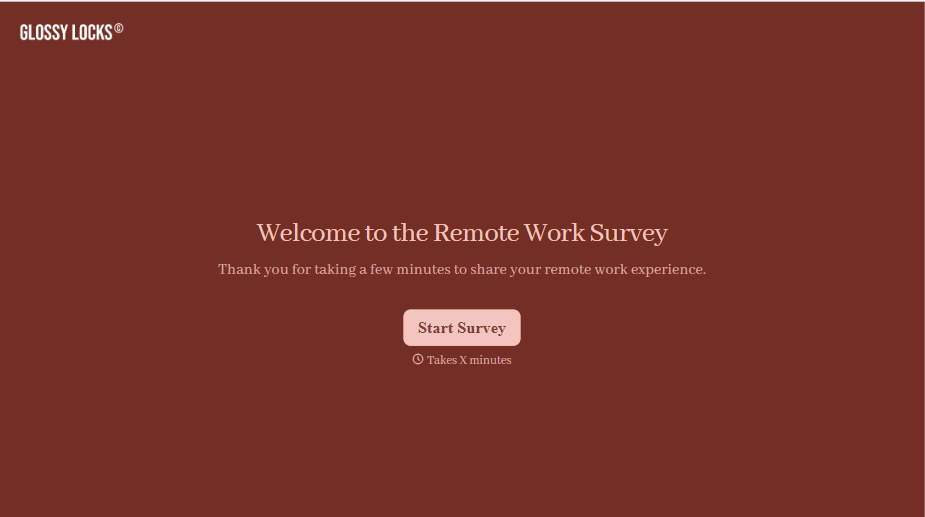
Remote Work Survey Form
A remote work survey that asks "How satisfied are you, 1 to 10?" once a year and getting the same safe "8" from everyone isn't measuring how remote work is actually going, it's measuring how safe people feel giving an honest answer. Ask about the actual friction, equipment, communication, isolation, and make it genuinely anonymous.
View template
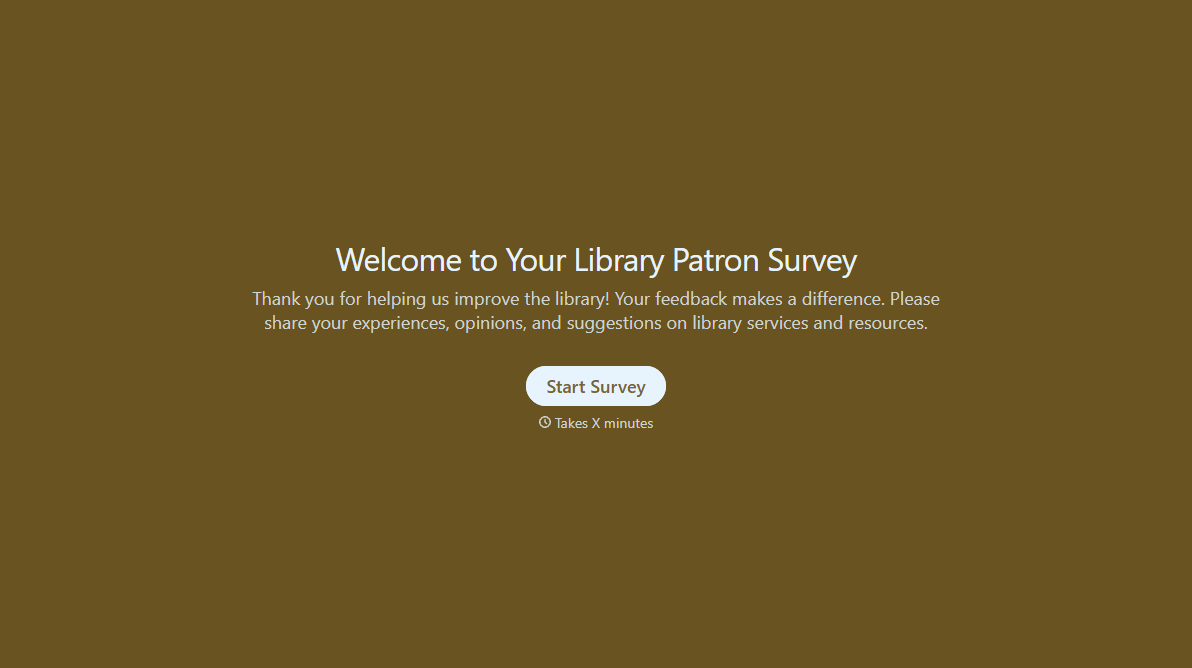
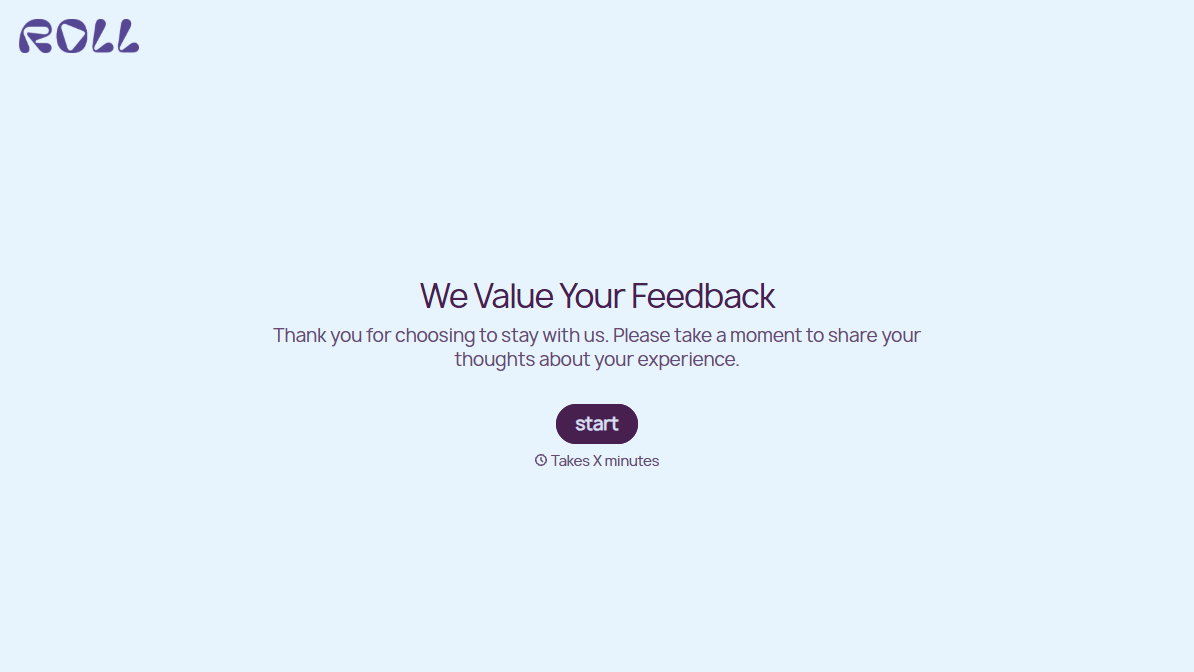
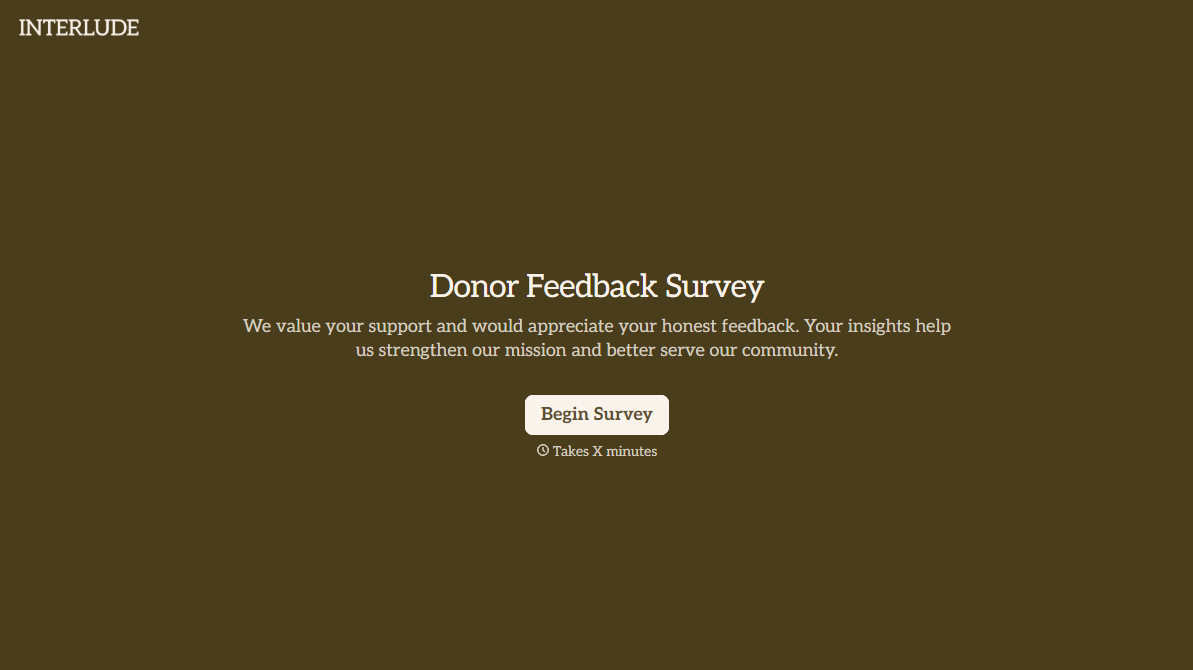
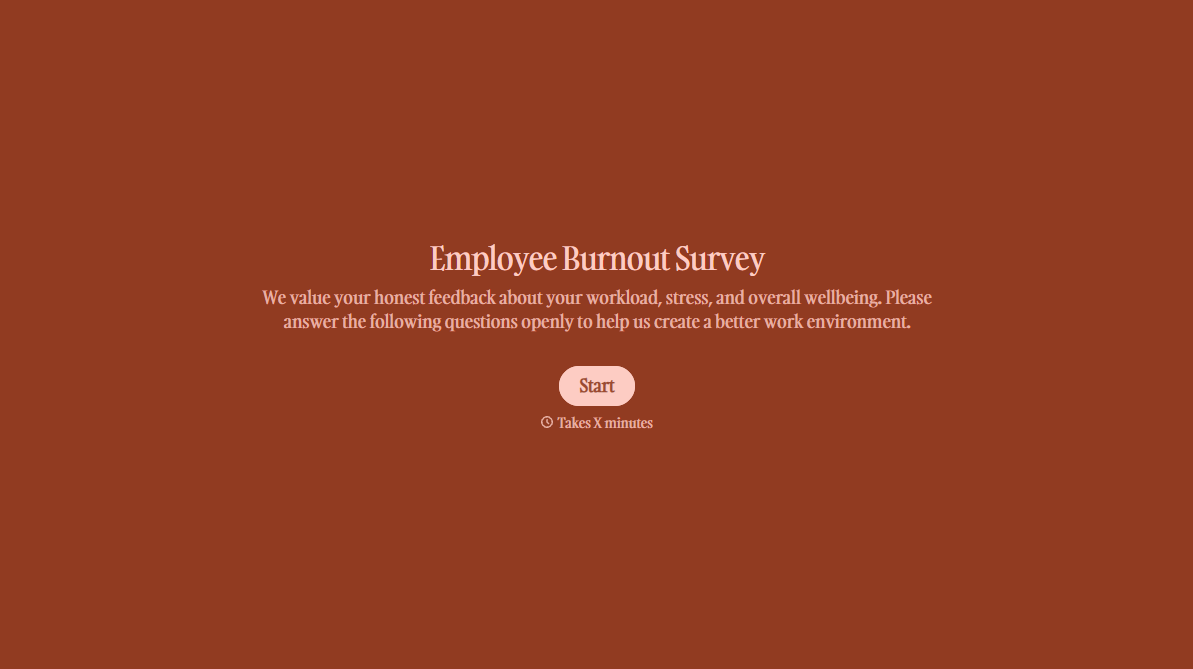
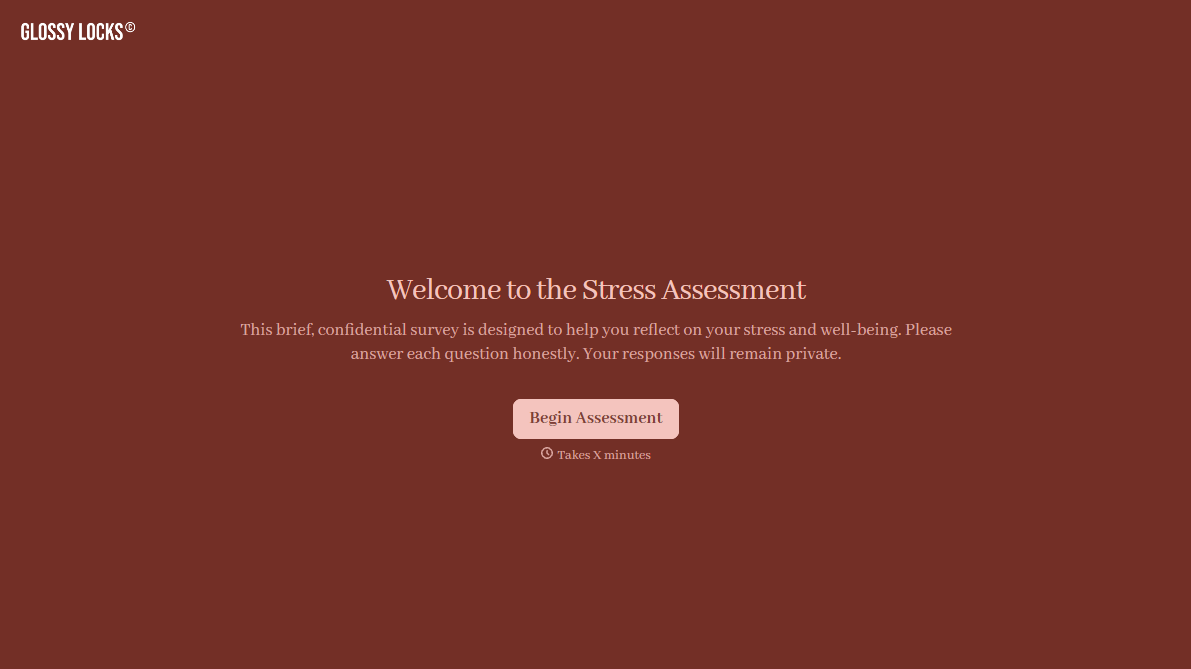
With Typeform, you can customize everything
Change text, colors, and even logos to match the look and feel of your brand. Then embed forms smoothly onto web and email.
Make forms feel effortless to fill out. Pace questions, call people by their name, and adapt the flow based on the data they share.
Stay efficient by connecting forms to your workflow. Typeform integrates with 300+ tools including Slack, Zapier, and HubSpot.